


Poultry Feed Silo Buyer’s Guide: 10 Critical Criteria
May Fri, 2026
Why a Structured Buying Guide Matters
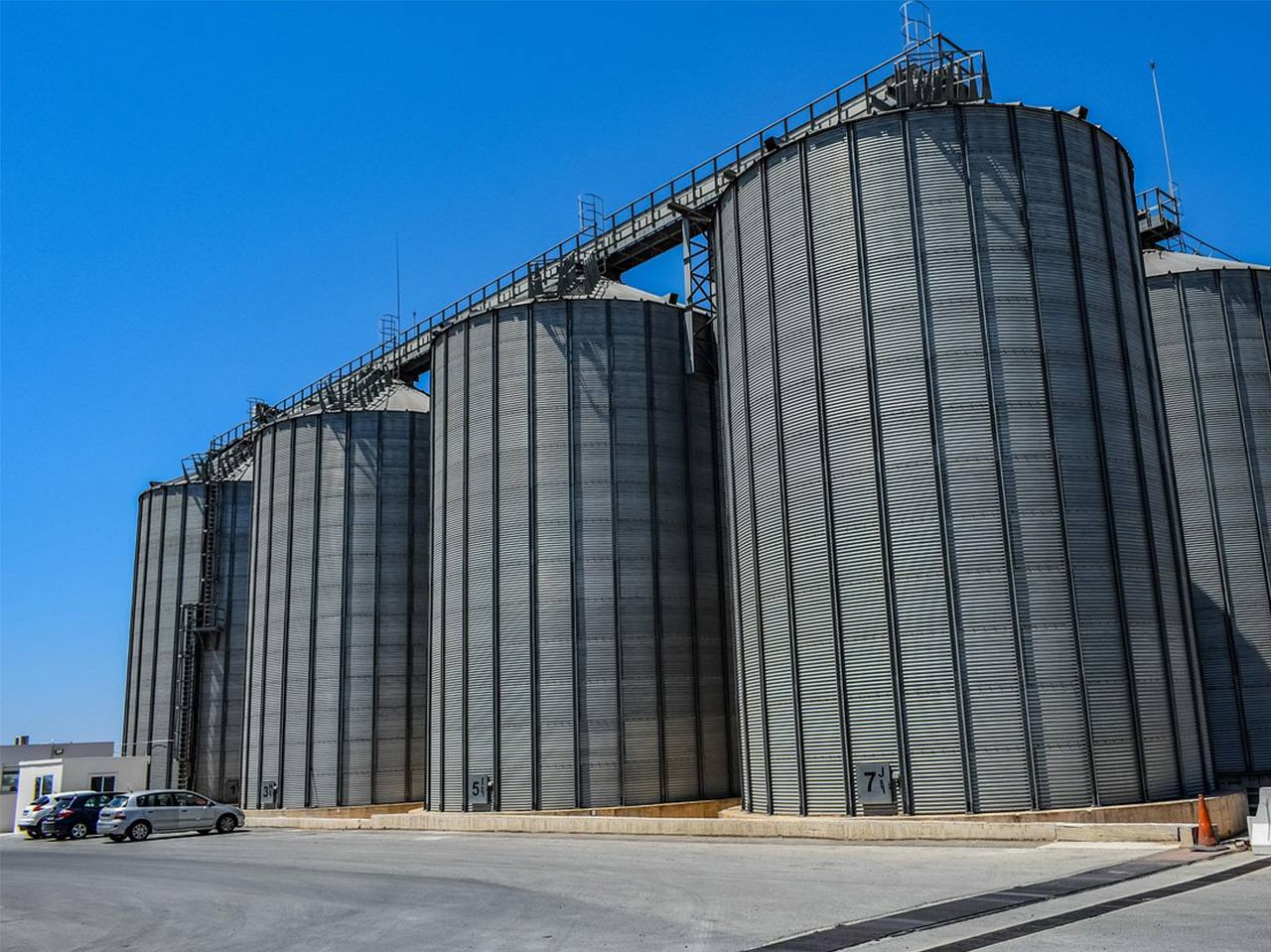
Choosing a poultry feed silo is a capital decision that affects feed quality, labor efficiency, and flock performance for years. A wrong choice—oversized capacity leading to spoilage or an undersized auger causing bridging—can cost thousands. This guide provides a weighted decision framework based on farm size, feed type, delivery logistics, and expansion plans.
Capacity Calculation: The Right Size for Your Flock
Calculate required capacity using: Flock size × Daily feed per bird × Days of storage. For broilers, daily feed is 0.15–0.25 lb/bird; for layers, 0.25–0.30 lb/bird. Example: 10,000 broilers eating 0.20 lb/bird/day for 14 days = 28,000 lb (14 tons). Add 10% safety margin. Oversizing beyond 21 days risks spoilage, especially in humid climates.
Material Selection: Galvanized Steel vs. Stainless vs. Poly
Galvanized steel (G90 or G115 coating) is standard for most farms—durable and cost-effective. Stainless steel (304 or 316) resists corrosion in coastal or high-moisture environments but costs 2–3× more. Polyethylene silos are lightweight and corrosion-proof but limited to smaller capacities (under 10 tons) and can degrade under UV. For mash feeds, galvanized steel with a smooth interior finish reduces caking.
Auger System: Flex, Core, or Chain-and-Flight?
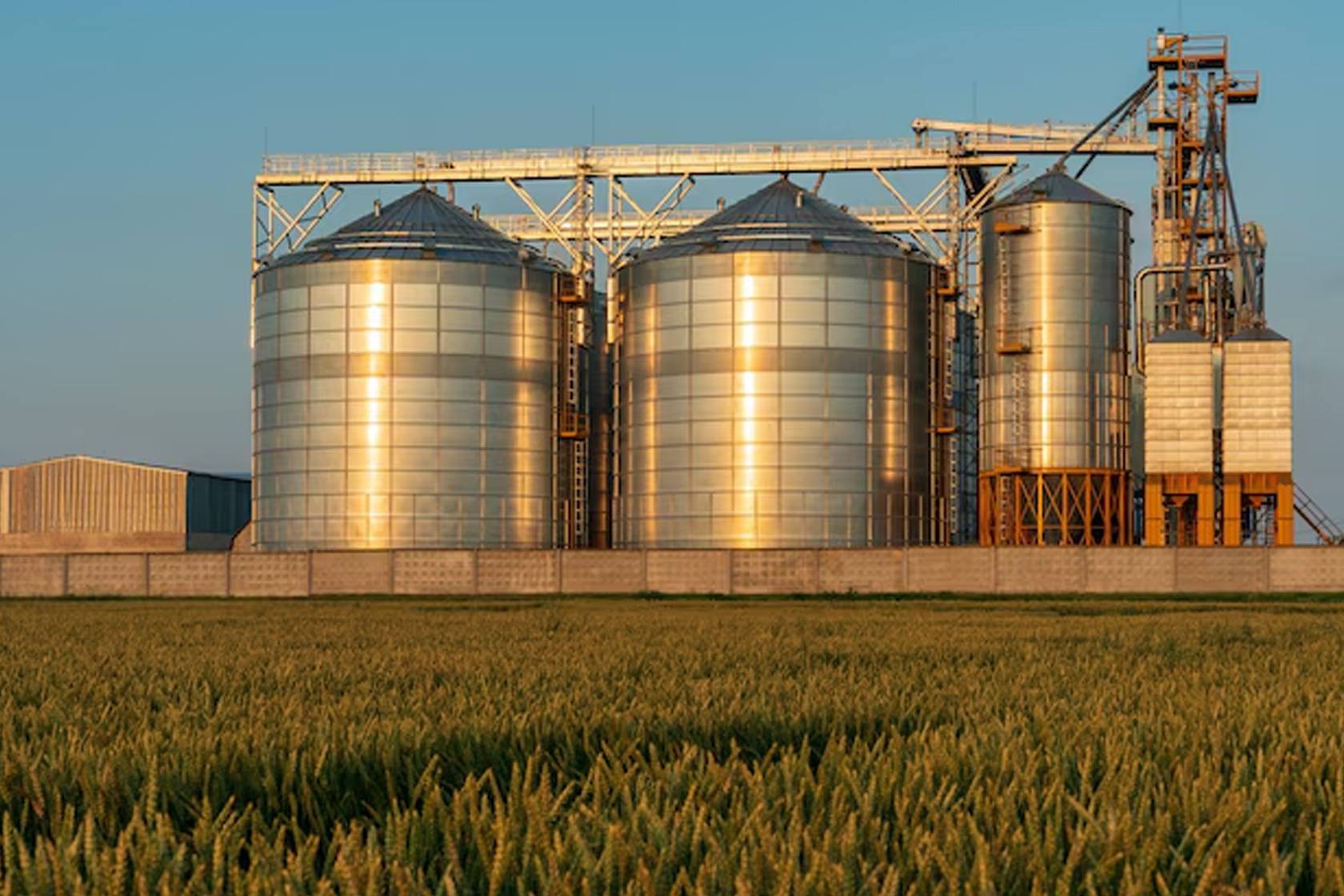
Flex augers (spring-like) are ideal for pellets—gentle handling reduces fines. Core augers (rigid shaft with flighting) handle mash better but can crush pellets. Chain-and-flight systems are rugged for large volumes but noisy and higher maintenance. Key trade-off: flex augers cost less but have shorter maximum lengths (200 ft vs. 300 ft for core). For farms using both mash and pellets, a core auger with variable-pitch flighting minimizes damage.
Delivery Logistics: Hopper Size, Truck Access, and Fill Port
Standard feed delivery trucks have 8–10 inch discharge openings. Ensure the silo hopper opening matches (minimum 8 inches). Fill port height typically 12–15 ft—verify truck auger reach. For multiple silos, allow 3 ft clearance between them for truck access. A 10-inch hopper reduces bridging at the inlet compared to 8-inch.
Expansion Planning: Modular Silos and Scalability
Choose silos with modular interconnecting augers so you can add units later. For example, start with a 10-ton silo, then add a second 10-ton with a transfer auger. This avoids buying a single 20-ton silo that may be oversized initially. Ensure the base frame and foundation are designed for future loads. Scalable control systems (e.g., PLC-based) allow adding sensors and automation.
Brand Comparison: Key Metrics
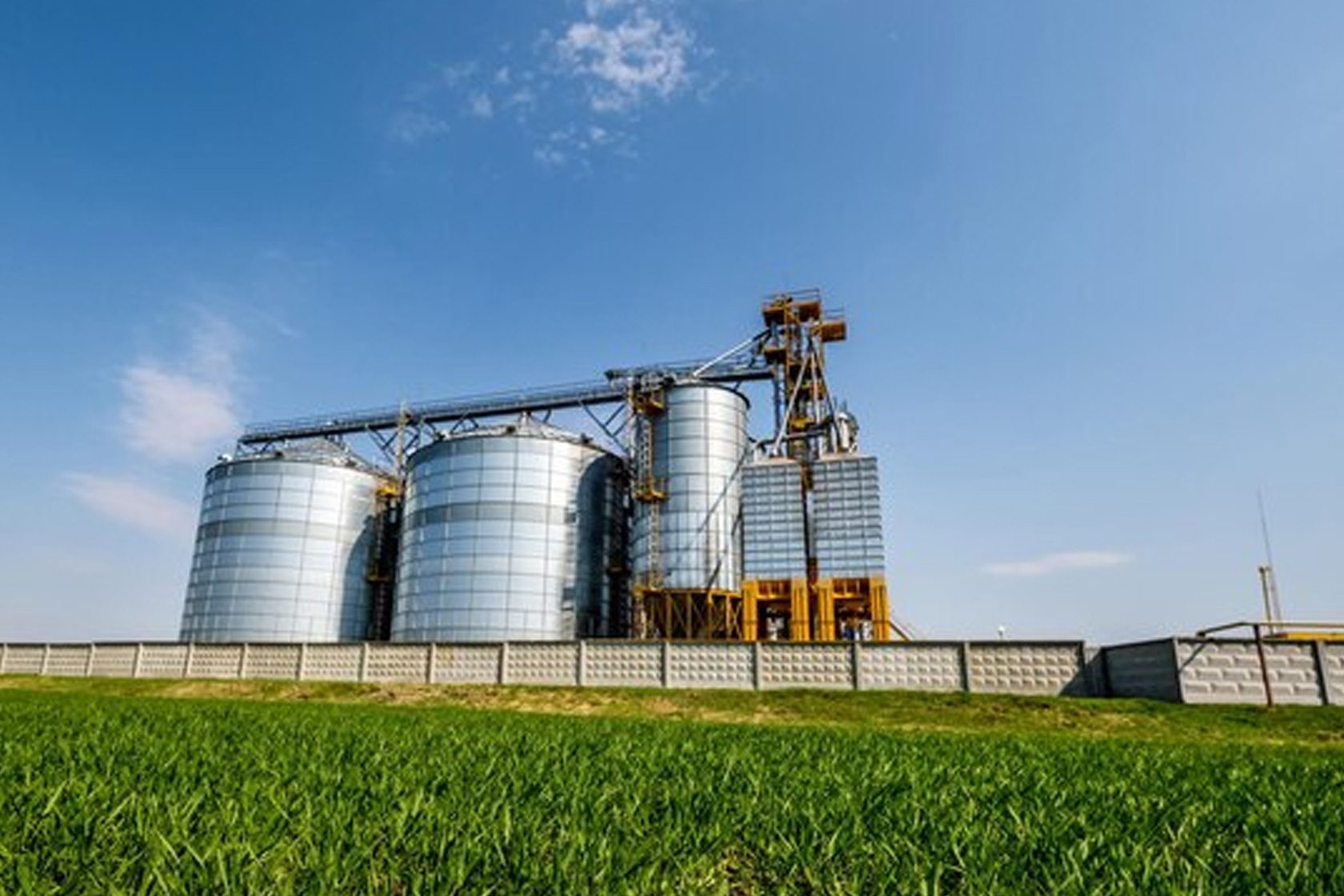
Below is a comparison of five leading brands based on capacity range, material gauge, auger compatibility, warranty, and typical price per ton. Note: prices vary by region and dealer.
- Brand A: 6–30 tons, 18-gauge galvanized, flex auger compatible, 5-year warranty, $800–$1,200/ton
- Brand B: 10–50 tons, 16-gauge galvanized, core auger, 7-year warranty, $900–$1,400/ton
- Brand C: 4–20 tons, 20-gauge stainless, chain-and-flight, 10-year warranty, $1,500–$2,200/ton
- Brand D: 8–40 tons, 17-gauge galvanized, flex or core, 6-year warranty, $850–$1,300/ton
- Brand E: 2–12 tons, poly, flex auger, 3-year warranty, $600–$900/ton
Consider total cost of ownership: installation ($500–$2,000 per silo), maintenance (auger wear parts every 3–5 years), and energy (auger motor kW). A higher upfront cost often pays off in lower maintenance and longer life.
Decision Framework: How to Score and Choose
Assign weights (1–5) to each criterion based on your priorities: Capacity (30%), Material (15%), Auger (20%), Delivery (10%), Expansion (10%), Brand (10%), Cost (5%). Score each option (1–10) per criterion, multiply by weight, sum totals. The highest score is your best fit. For example, a 10,000-bird farm prioritizing expansion might weight capacity and expansion higher, favoring Brand D with a modular 10-ton silo and core auger.
Real-World Example: 10,000-Bird Broiler Farm Upgrade
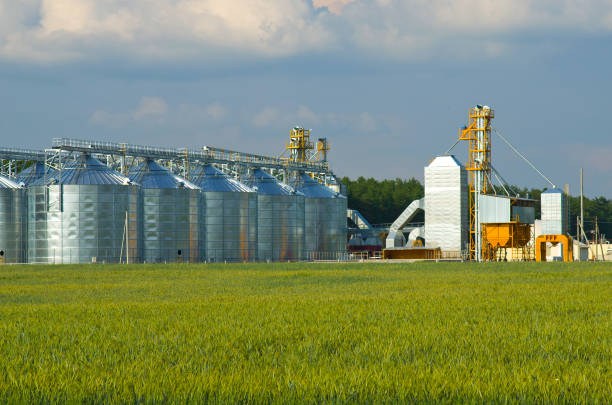
A family farm in Arkansas switched from bag feed to a 10-ton galvanized silo with a flex auger. They calculated 14 tons needed for 14 days but chose 10 tons to avoid spoilage and added a second silo later. Labor dropped from 10 hours/week to 2 hours. Feed waste reduced from 5% to 1% due to sealed storage. The investment paid back in 18 months.
Conclusion and Next Steps
Selecting a poultry feed silo requires balancing capacity, material, auger type, and expansion needs. Use the scoring framework above to compare options. For a personalized capacity calculation, download our free spreadsheet (link below). Consult a local dealer for site-specific advice on foundations and delivery access.
Frequently Asked Questions
- What is the best silo material for humid climates? Stainless steel or heavy-gauge galvanized with a corrosion-resistant coating.
- Can I use a flex auger for mash feed? Yes, but core augers are more reliable for mash due to less bridging.
- How often should I clean the silo? At least twice a year to prevent caked feed and mold.
- Do I need a concrete foundation? Yes, a reinforced concrete pad (4–6 inches thick) is standard for stability.
Table of Contents
PDF
Download File
Manxing Silo Brochure
Manxing_Silo_Brochure.pdf
Open the download form to unlock this file. The download will start automatically after submission.
Request a Quote
We are committed to providing you with exceptional service and ensuring a seamless buying experience. Please send us your inquiry, and we will respond with a detailed quotation.